
Alligator shears are powerful and essential tools in various industries, especially in metal recycling and fabrication. As a supplier of alligator shears, I understand the importance of proper maintenance to ensure the longevity and optimal performance of these machines. In this blog, I'll delve into the types of maintenance that alligator shears require.
Regular Visual Inspections
One of the most fundamental maintenance tasks for alligator shears is regular visual inspections. This should be done on a daily or at least a weekly basis, depending on the frequency of use. Inspect the shear blades thoroughly. Look for any signs of wear, such as dullness, chipping, or excessive nicking. Blades are the heart of the alligator shear, and any damage to them can significantly affect the cutting performance. If you notice any issues, it's crucial to address them promptly. You can visit our Hydraulic Crocodile Shear page to learn more about the blade specifications and replacement options for our hydraulic models.
Check the hydraulic system as well. Look for any leaks in the hydraulic hoses, fittings, and cylinders. A hydraulic leak not only reduces the efficiency of the shear but can also pose a safety hazard. If you spot a leak, identify the source and repair it immediately. Inspect the hydraulic fluid level regularly. Low fluid levels can cause the pump to overheat and lead to premature failure of the hydraulic components.
Examine the frame and structure of the alligator shear. Look for any cracks, loose bolts, or signs of deformation. The frame provides the stability and support for the entire machine, so any structural issues need to be addressed right away to prevent further damage.
Lubrication
Proper lubrication is vital for the smooth operation of alligator shears. Different parts of the shear require lubrication at specific intervals. The pivot points, where the blades move, need to be lubricated regularly. Use a high - quality grease that is suitable for the operating conditions of the shear. Greasing these points reduces friction, which in turn minimizes wear and tear on the moving parts.
The hydraulic system also relies on proper lubrication. The hydraulic fluid not only transfers power but also lubricates the internal components of the hydraulic pump, valves, and cylinders. Make sure to use the recommended hydraulic fluid for your alligator shear and follow the manufacturer's guidelines for fluid change intervals. Regularly changing the hydraulic fluid helps to remove contaminants and ensures the efficient operation of the hydraulic system.
Blade Maintenance
As mentioned earlier, the blades are critical components of alligator shears. Sharpening the blades is an essential maintenance task. Over time, the blades will become dull from repeated cutting. Dull blades require more force to cut through materials, which can strain the hydraulic system and other components of the shear. You can either sharpen the blades in - house using appropriate sharpening tools or send them to a professional blade sharpening service.
When installing new blades or reinstalling sharpened blades, it's important to ensure proper alignment. Misaligned blades can cause uneven cutting, increased wear on the blades, and potential damage to the shear. Follow the manufacturer's instructions carefully during blade installation to ensure accurate alignment. Our Crocodile Shear for Steel Recycling models come with detailed blade installation and alignment guides.
Electrical System Maintenance (if applicable)
For alligator shears with electrical components, such as those with electric - powered hydraulic pumps or control panels, regular electrical maintenance is necessary. Check the electrical wiring for any signs of fraying, damage, or loose connections. Faulty electrical wiring can cause malfunctions or even pose a fire hazard.
Inspect the electrical switches and controls. Make sure they are functioning properly and that there is no electrical arcing or other signs of damage. Test the emergency stop buttons regularly to ensure they work as expected in case of an emergency.
Hydraulic System Maintenance
The hydraulic system is the power source for most alligator shears. In addition to checking for leaks and maintaining the fluid level, it's important to monitor the pressure in the hydraulic system. Use a pressure gauge to ensure that the system is operating at the correct pressure. Incorrect pressure can lead to poor cutting performance or damage to the hydraulic components.
Change the hydraulic filters at regular intervals. The filters are designed to remove contaminants from the hydraulic fluid, and a clogged filter can restrict the flow of fluid, reduce the efficiency of the system, and cause damage to the pump and other components.
Cleaning
Keeping the alligator shear clean is an often - overlooked but important maintenance task. After each use, remove any debris, metal shavings, or dust from the shear. Use a brush or compressed air to clean hard - to - reach areas. A clean shear not only looks better but also helps to prevent the build - up of contaminants that can cause damage to the moving parts and hydraulic system.
Operator Training and Maintenance Records
Proper operator training is crucial for the maintenance of alligator shears. Operators should be trained on how to use the shear correctly, including loading materials properly, operating the controls safely, and performing basic maintenance tasks. Well - trained operators are more likely to notice early signs of problems and take appropriate action.
Maintaining detailed maintenance records is also essential. Keep track of all maintenance tasks, including inspections, lubrication, blade sharpening, and component replacements. These records can help you schedule future maintenance, identify recurring issues, and demonstrate to customers or regulatory agencies that you are properly maintaining your equipment.
Preventive Maintenance Schedules
Based on the usage frequency and operating conditions of your alligator shear, develop a preventive maintenance schedule. This schedule should outline when each maintenance task should be performed, such as daily visual inspections, weekly lubrication, monthly blade checks, and quarterly hydraulic fluid changes.
By following a preventive maintenance schedule, you can catch potential problems before they become major issues, extend the lifespan of your alligator shear, and ensure its reliable operation. Our Portable Alligator Shear models often have different usage patterns, but we can provide customized preventive maintenance schedules to meet your specific needs.

Maintenance for Different Types of Alligator Shears
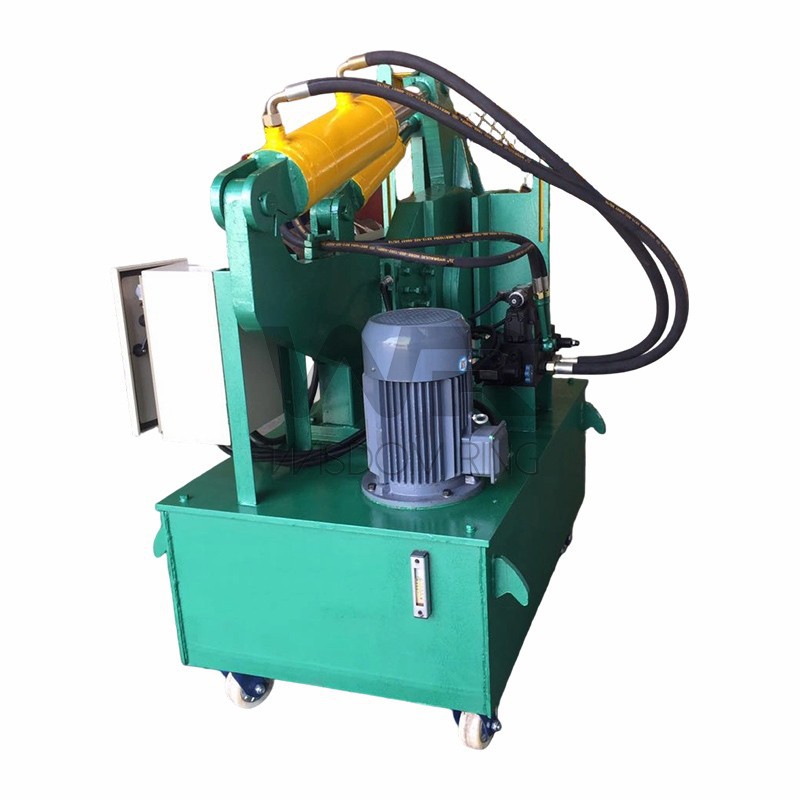
There are various types of alligator shears, including hydraulic and mechanical ones, as well as portable and stationary models. Each type may require slightly different maintenance procedures.
Hydraulic alligator shears, for example, rely heavily on the hydraulic system. As mentioned, regular checks of the hydraulic fluid, hoses, and cylinders are crucial. Mechanical alligator shears, on the other hand, may require more attention to the mechanical linkages and gear systems.
Portable alligator shears are often used in different locations and may be exposed to more challenging environmental conditions. They may need more frequent cleaning and inspections to ensure that they are not damaged during transportation and storage. Our Alligator Shear for Scrap Metal models, which are commonly used in scrap yards, need to withstand harsh conditions and thus require diligent maintenance.
Conclusion
In conclusion, proper maintenance of alligator shears is essential for their optimal performance, longevity, and safety. Regular visual inspections, lubrication, blade maintenance, electrical and hydraulic system checks, cleaning, operator training, and preventive maintenance schedules are all key components of a comprehensive maintenance program.
As a supplier of alligator shears, we are committed to providing high - quality products and supporting our customers with maintenance advice. If you are in the market for alligator shears or need more information on maintenance, we encourage you to contact us for a detailed discussion. We can help you choose the right shear for your needs and provide you with all the necessary resources to keep it in top - notch condition.
References
- Manufacturer's manuals for alligator shears
- Industry standards for metal - cutting equipment maintenance


