

Baler Machines
Your Professional Baler Machines Supplier
Wisdom Ring Machinery is a professional manufacturer of scrap recycling equipment. We provide copper recycling machines, shredders, balers, metal shears, tire recycling lines, and plastic recycling equipment for customers in recycling, waste processing, and metal recovery industries worldwide.
Experienced Manufacturing
With over 30 years of industry experience, we focus on stable machine performance, practical design, and long-term operation for industrial recycling applications.
Strong Technical Team
Our team includes 15 engineers dedicated to product development and technical improvement, helping customers achieve efficient and reliable recycling processes.
Complete Customer Support
We provide complete service from machine selection and production to installation and after-sales support, ensuring smooth communication and dependable cooperation.
-
 PET Plastic Bottle BalerPurpose-Built for PET: Not a generic waste baler. Engineered to handle the specific compression characteristics of plastic bottles.Built for European Duty & Compliance: CE-certified,Add to Inquiry
 -
 Industrial BalerMaximized Operational ROI: Reduces waste volume by up to 90%, directly cutting storage and hauling costs while creating a saleable commodity from waste.Engineered for European Standards: FullyAdd to Inquiry
 -
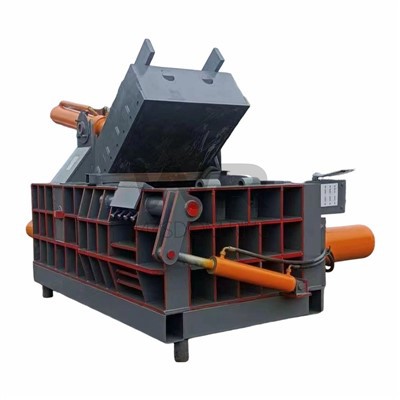 Hydraulic Scrap Metal Baling Press MachineEngineered for Maximum ROI: Dense bales command premium prices from mills, while reduced transport and storage costs directly improve your bottom line.Built for European Industrial Standards:Add to Inquiry
 -
 Scrap Metal BalerEngineered for Durability & High Uptime: Built with premium components to withstand the most abrasive and demanding environments, ensuring a rapid return on investment.Maximizes Your Scrap Value:Add to Inquiry
 -
 Waste Paper BalerMaximizes Your Revenue: Produces high-density, mill-grade bales that command the best market prices and minimize shipping costs.Built for Productivity & Uptime: Automated operation and durableAdd to Inquiry
 -
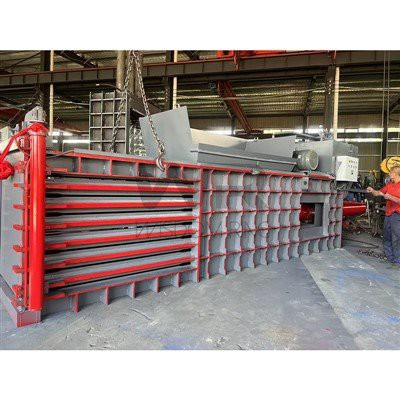 Cardboard Baler MachineProven Return on Investment (ROI): Quickly pays for itself through reduced waste hauling fees, reclaimed storage space, and revenue from bale sales.Built for the European Market: CE-certified,Add to Inquiry



Parameter
|
Model |
W-VD80 |
W-VD100 |
W-VD120 |
W-VD140 |
W-VD160 |
|
Motor(kw) |
18.5 |
18.5 |
22 |
37 |
37 |
|
External Dimensions(m) |
6*1.1*2.3 |
6*1.1*2.3 |
6.7*1.3*2.3 |
6.7*1.3*2.3 |
9.2*1.3*3 |
|
Packaging Dimensions(m) |
1.2*1.1*0.85 |
1.2*1.1*0.85 |
1.4*1.1*0.85 |
1.4*1.1*0.85 |
1.8*1.1*1.25 |
|
Packing Weight(kg) |
300-400 |
400-500 |
600-700 |
700-800 |
1000-1300 |
Types of Baler Machines
The baler machines produced by our company mainly include the following types:
Vertical Balers
Vertical baler is a heavy-duty, space-saving machine used to compress loose, bulky recyclable materials into dense, stackable bales.
Horizontal Metal Balers
Horizontal metal balers are heavy-duty industrial machines designed to compress loose scrap metal—Such as aluminum, copper wire, steel sheets, and cans—Into dense, uniform bales.
Cardboard Balers
Cardboard baler is a machine that compresses bulky, loose cardboard waste into dense, tied blocks called bales.

Applications of Baler Machines
Great Return on Investment
Bales of plastic, cardboard, scrap metal, and fabric are more valued than loose materials. Many recycling centers will collect and pay you for baled recycled materials. The baler tightly compresses and bundles your waste into similar cubes.
Saves Time and Storage Space
Hydraulic baling press machines can handle a load of waste without needing your employees to prep or tear down the material. This can save a lot of time. Additionally, balers tightly bundle waste and keep your space tidier.
Saves Money
Baled waste can be easily transported compared to loose materials. A baling machine can compact your waste, reducing the number of unnecessary trips during waste collection. Few vehicles coming to your premises means fewer fuel costs
Enhances Health and Safety
Loose piles of recyclables have a great chance of exposure to odours, dust, spills or pests. As a result, many recycling plants will reject them because of the contamination. A baling packing machine can create a compact bale of waste, reducing the risk of contamination.
Allows You to Grade Their Waste
Baling cardboard machines can help you have an accurate idea of the amount your business generates. This will make it easier for you to create a design for a comprehensive and profitable recycling process so you can generate more income.
Applications of Baler Machines
Retail and Commercial Waste
Supermarkets, warehouse stores, and distribution centers deal with significant cardboard and plastic film waste every day. A vertical or horizontal baler on site means staff spend less time breaking down boxes by hand and fewer waste collections are needed each week.
Recycling Centers and Material Recovery Facilities
Recycling operations depend on balers to process incoming material efficiently. Cardboard, paper, plastics, and metals all need to be consolidated into marketable bales before they can be sold to commodity buyers.
Manufacturing and Industrial Waste
Production facilities generate packaging waste, offcuts, and process by-products continuously. A baler integrated into the waste handling process keeps the site tidier, reduces the frequency of skip collections, and makes it straightforward to segregate recyclable materials from general waste.
Healthcare and Hospitality
Hospitals, hotels, and large catering operations produce mixed waste streams that often include significant quantities of cardboard, plastics, and sometimes specialized materials. Compactors and balers help these facilities manage waste discreetly and efficiently.
Tire Collection and Processing
Waste tire management is a distinct application that general-purpose balers can’t handle. Tire recyclers, garages, and local authorities collecting tires need dedicated tire balers.
Agriculture
Hay and straw balers have been a fixture on farms for generations. The same compression principle applies to agricultural waste and packaging. Farm supply businesses and co-operatives also use vertical balers for feed bag packaging and fertilizer sacks.
Installation Precautions for Baler Machines
Site Preparation
Before installing a baler, it's crucial to prepare the installation site properly. This involves assessing the site's dimensions, floor strength, and accessibility to ensure it can accommodate the baler and its associated equipment.
Dimensions
The first step in site preparation is to measure the available space and compare it to the dimensions of the baler you've selected. Make sure to account for additional space around the baler for maintenance, loading and unloading, and operator movement.
Floor Strength
Balers are heavy machines that exert significant pressure during the baling process. Therefore, it's essential to ensure that the floor can support the weight of the baler and the bales it produces.
Electrical Requirements
Most balers are powered by electricity, so it's important to ensure that the installation site has a suitable electrical supply. This includes determining the appropriate voltage, amperage, and phase requirements for the baler and ensuring that the electrical system can handle the load.
Voltage And Amperage
The voltage and amperage requirements of a baler vary depending on its size, type, and operating specifications. Consult the manufacturer's documentation to determine the exact requirements for your baler and ensure that the electrical supply at the installation site matches these requirements.
Phase
Balers are typically available in single-phase or three-phase configurations. Single-phase balers are suitable for smaller applications and can be powered by a standard household electrical outlet.
Electrical Safety
Electrical safety is of utmost importance when installing a baler. Make sure to hire a qualified electrician to install the electrical wiring and components and ensure that they comply with all relevant electrical codes and standards.
Operator Training
Once the baler is installed, it's important to provide operator training to ensure that it is used safely and effectively. This includes training on the operation, maintenance, and troubleshooting of the baler, as well as safety procedures and guidelines.
Safety Precautions for Operating Baler Machines
Provide Comprehensive Training
Ensure all employees receive thorough training on baler operation, including start-up, shutdown, and emergency procedures. Regularly update training to incorporate new safety protocols or changes in equipment.
Wear Appropriate Personal Protective Equipment (PPE)
Require operators to wear gloves, safety goggles, steel-toed boots, and other necessary PPE. Ensure PPE is inspected regularly for damage or wear.
Follow Manufacturer’s Guidelines
Always refer to the manufacturer’s instructions for operating and maintaining the baler. Use the baler only for materials it is designed to handle to avoid equipment damage or hazards.
Implement Lockout/Tagout Procedures
Establish and enforce lockout/tagout procedures to prevent accidental start-up during maintenance or repairs. Train all employees on the importance of these procedures and how to implement them correctly.
Inspect the Baler Regularly
Conduct daily inspections to identify signs of wear, loose parts, or potential hazards. Schedule routine maintenance checks with professionals to ensure the baler operates at peak efficiency. Learn about our maintenance services.
Maintain a Clean Work Area
Keep the area around the baler free from debris, liquids, and obstructions to reduce tripping and slipping hazards. Ensure clear signage is posted to mark the baler’s operational zone.
Never Override Safety Features
Do not disable or bypass safety guards, sensors, or other protective features. Report any malfunctioning safety features immediately and cease operation until repairs are completed.
Respond Promptly to Emergencies
Equip the work area with first aid kits and fire extinguishers. Train employees on emergency response procedures, including how to shut down the baler quickly in case of an incident.
Contact our engineering team today for a tailored solution. We provide:
● Free Application Analysis: We'll assess your material type, volume, and goals.
● Custom Machine Recommendation & Layout Planning: Industrial Baler configured for your specific needs.
● Detailed Quotation & Performance Data: Transparent costing and expected ROI.
● Live Demonstration or Material Test: See the machine in action with your material samples.
Packaging and Shipping
|
Packaging |
Inner package: Covered by plastic film Outter package: Plywood case |
|
Shipping |
By sea |
FAQ
As one of the leading baler machines manufacturers and suppliers in China, we warmly welcome you to buy advanced baler machines for sale here from our factory. All customized machines are with high quality and competitive price. Contact us for quotation.
