

Hey there! As a supplier of motor recycling machines, I often get asked, "What is the throughput of motor recycling machines per day?" Well, let's dive right into this topic and break it down for you.
First off, the throughput of motor recycling machines can vary quite a bit. It depends on several factors, such as the type of machine, the size and condition of the motors being recycled, and the level of automation of the process.
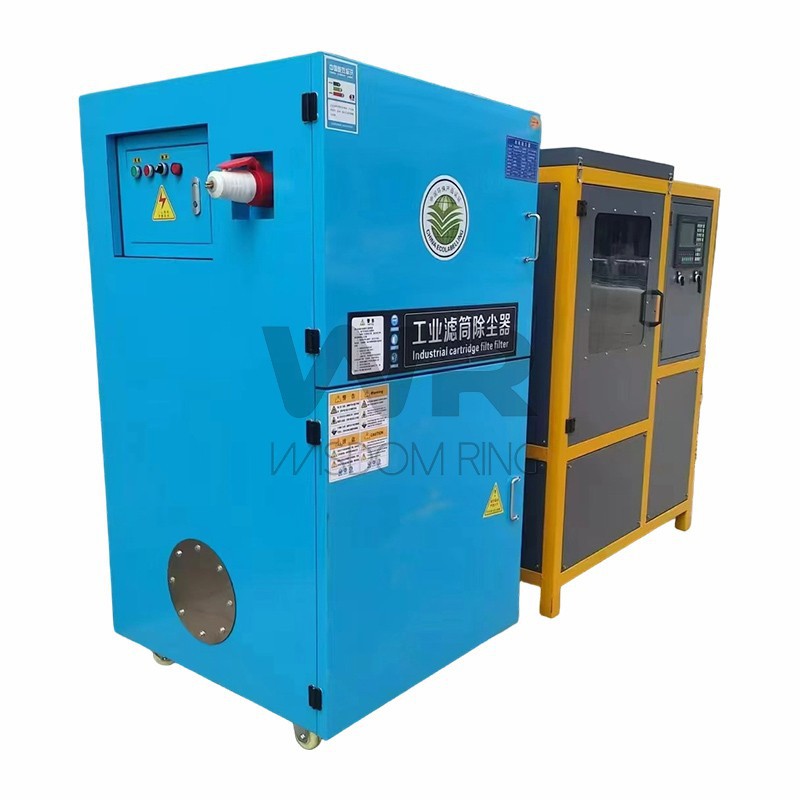
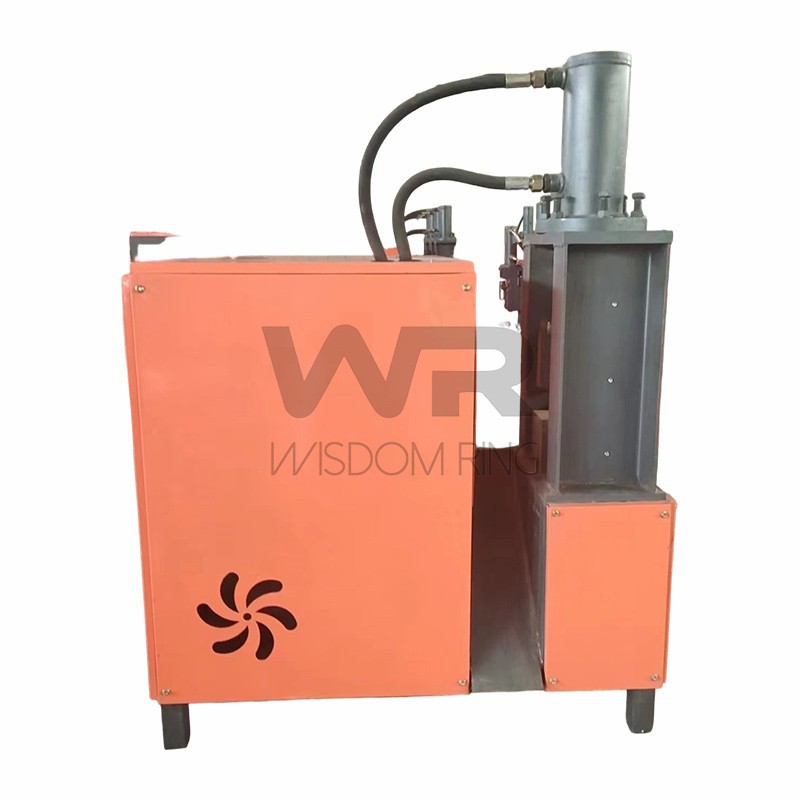
Let's start by taking a look at different types of motor recycling machines and their general throughputs.
Electric Motor Recycling Machine
One of the most commonly used machines in motor recycling is the Electric Motor Recycling Machine. This machine is designed to handle various sizes of electric motors. On average, a medium - sized electric motor recycling machine can process around 50 to 100 motors per day. This number can go up if the motors are of a standard size and in good condition. But if the motors are irregularly shaped or have a lot of dirt and debris on them, the throughput might drop. For example, when dealing with motors that have been in industrial settings for a long time and are covered in grease and rust, the process of cleaning and dismantling them takes longer, thus reducing the daily throughput.
The operation of this machine usually involves several steps. First, the motor is fed into the machine, and then it starts to separate the different components like the stator, rotor, and copper wires. The efficiency of each of these steps impacts the overall throughput. A well - maintained and properly calibrated electric motor recycling machine can make these operations more seamless and increase the daily output.
Refrigerator Compressor Recycling Machine
Another important machine in the motor recycling industry is the Refrigerator Compressor Recycling Machine. Compressors from refrigerators are a bit different from regular electric motors. They are usually more compact and have a specific design.
A typical refrigerator compressor recycling machine can process around 30 to 80 compressors per day. The throughput here also depends on factors like the type of compressor. Older refrigerators might have compressors that are more difficult to open and separate due to different manufacturing techniques. Newer compressors, on the other hand, are often designed with recyclability in mind, which can make the recycling process faster.
The machine needs to cut open the compressor casing, remove the internal motor and other components. The speed and precision of the cutting mechanism play a crucial role in determining the daily throughput. If the cutting blade is sharp and the machine is set up correctly, it can quickly access the internal parts, leading to a higher number of compressors being recycled in a day.
Scrap Motors Rotor Dismantling Machine
The Scrap Motors Rotor Dismantling Machine focuses on separating the rotor from the rest of the motor. This machine is an essential part of the recycling process as the rotor contains valuable materials like copper and iron.
On average, a scrap motors rotor dismantling machine can handle 40 to 90 rotors per day. The size of the rotors matters a lot here. Larger rotors take more time to dismantle as they might have more complex structures and stronger connections. Smaller rotors, on the contrary, can be processed more quickly. Also, the quality of the machine's tools, such as the extraction equipment, can significantly affect the throughput. A high - quality extraction tool can remove the rotor from the motor in a shorter time, increasing the daily number of rotors processed.
Waste Motor Stator Pulling Machine
The Waste Motor Stator Pulling Machine is specialized in extracting the stator from the motor housing. The throughput of this machine typically ranges from 60 to 120 stators per day.
The condition of the motor housing has a big impact on the throughput. If the housing is damaged or deformed, it can make it more difficult to pull out the stator. In such cases, additional manual work might be required, which slows down the process. Moreover, the power and design of the pulling mechanism of the machine are important. A more powerful and well - designed pulling machine can apply the right amount of force to extract the stator efficiently, resulting in a higher daily throughput.
Motor Stator Copper Wire Pulling Machine
Finally, the Motor Stator Copper Wire Pulling Machine is used to separate the valuable copper wires from the stator. This machine can process around 30 to 70 stators per day.
The winding pattern of the copper wires in the stator is a key factor influencing the throughput. If the wires are tightly and irregularly wound, it takes more time to pull them out. Newer motors might have different winding techniques that are either easier or more difficult to handle. Additionally, the sharpness and efficiency of the cutting tools used to start the wire - pulling process matter. A dull cutting tool can cause the wires to break or get tangled, which slows down the operation and reduces the daily output.
Now that we've looked at the typical throughputs of different motor recycling machines, it's important to note that there are ways to increase the throughput.
Tips to Increase Throughput
- Regular Maintenance: Keeping the machines well - maintained is crucial. This includes cleaning, lubricating, and replacing worn - out parts. A machine that is in good working condition will operate more smoothly and quickly. For example, a sharp cutting blade will make the cutting process much faster than a dull one.
- Training of Operators: Well - trained operators can handle the machines more efficiently. They know the right settings, how to troubleshoot minor issues quickly, and can make the most of the machine's capabilities. An operator who is familiar with the machine's functions can reduce the time taken to set up and run the recycling process.
- Sorting of Motors: Sorting the motors before recycling based on size, type, and condition can improve the throughput. By processing similar motors together, the machine can be optimized for that specific type of motor, reducing the time needed for adjustments between different motors.
If you're in the business of motor recycling or thinking about getting into it, understanding the throughput of these machines is essential. It helps you plan your operations, estimate your production capacity, and make informed decisions about which machines to invest in.
We, as a motor recycling machine supplier, are here to help you choose the right machines for your needs. Whether you're a small - scale recycler or a large industrial operation, we can provide you with high - quality machines that offer a good balance between throughput and cost.
If you're interested in learning more about our motor recycling machines, feel free to reach out. We're happy to discuss your specific requirements and provide you with detailed information about the machines, their throughputs, and how they can fit into your recycling process. Let's work together to make motor recycling more efficient and profitable for you.
References
- “Handbook of Recycling: Theory, Technology, and Industrial Applications.” Edited by J. van Schaik.
- Industry reports on motor recycling machine performance and trends.


