

Product Introduction
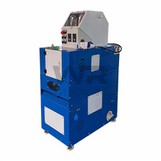
The Magnetic Separator is an integral component designed to ensure purity and reliability in copper wire granulation and comprehensive scrap metal processing. Engineered for seamless integration, it provides efficient, automated removal of ferrous metals-including fine iron fragments and steel particles-from material streams. By eliminating these contaminants, the separator directly safeguards downstream machinery, minimizes operational interruptions, and guarantees the high quality of both recovered non-ferrous metals and secondary products.
Product Features
1.Powerful Separation Performance
Engineered to capture ferrous metals down to fine particles, ensuring high-purity output essential for premium-grade material recovery.
2.Robust, Low-Upkeep Design
Built for continuous operation with a simple, reliable structure that minimizes maintenance and ensures long-term service life.
3.Adapts to Various Process Stages
Flexible to integrate at multiple points (head pulley, over-belt, or inline) to protect equipment and purify both raw scrap and finished products.
4.Fast ROI & Operational Savings
Delivers a quick return on investment by lowering energy use, eliminating filter costs, and protecting downstream machines from damage.
5.Clean, Sustainable Process
A non-contact, dry separation method that produces no waste or consumables, supporting efficient and environmentally sound recycling.
Applications
1.Electronic Waste (E-Waste) Recycling
Magnetic Separator are indispensable in e-waste processing lines. Following the shredding of circuit boards, cables, and electronic housings, they efficiently extract ferrous components such as screws, brackets, and iron-rich fragments from the mixed material stream. This crucial step prevents ferrous contamination in subsequent non-ferrous recovery processes (like eddy current separation), thereby significantly increasing the purity and recovery rate of valuable metals like copper, aluminum, and precious metals, while also protecting sensitive downstream equipment from damage.
2.Plastics Recycling & Purification
For post-consumer and industrial plastic recycling, magnetic separation is a vital quality control step. Installed after shredding and washing lines, it effectively removes ferrous contaminants like nails, staples, bottle caps, and metal fragments from the plastic flake stream. This purification is essential for producing high-grade, contaminant-free plastic pellets, which are required for manufacturing new products, ensuring product safety, and achieving premium market prices for the recycled plastic.
Frequently Asked Questions
Q1: What are the main types of Magnetic Separators?
A: Magnetic separators are categorized by design and application to address specific material handling challenges.
1.Suspended (Overband) Magnets:These are installed above conveyor belts and are standard in recycling and bulk handling. They use a powerful magnetic field to automatically lift and remove tramp iron from material on the moving belt, protecting downstream equipment.
2.Magnetic Drum Separators:Featuring a rotating outer shell with a stationary internal magnet, these units are central to mineral processing and some recycling tasks. As material flows over the drum, ferrous content is held and carried to a separate discharge point, while non-magnetics fall away naturally.
3.Grate or Plate Magnets:Designed as internal guards, these are installed within hoppers, chutes, or ducts. They intercept and hold fine ferrous contaminants from free-falling dry or liquid materials, safeguarding sensitive processes in food, chemical, or milling operations.
4.Eddy Current Separators:Employing a fundamentally different principle, these units use a high-speed rotating magnet rotor to induce electrical currents in non-ferrous metals like aluminum and copper, physically ejecting them from a stream of non-metallics or plastics. They are essential for final material purification in recycling.
Q2:Can Magnetic Separator extract metals like aluminum or stainless steel?
A: No, standard magnetic separators are not effective for these metals. They are specifically engineered to extract ferromagnetic materials, which are strongly attracted to magnets. This category includes iron, nickel, cobalt, and many types of steel.Non-ferrous metals such as aluminum, copper, and brass have very weak or no magnetic response. Most common grades of stainless steel (e.g., 304, 316) are also non-magnetic and will not be captured.
Hot Tags: magnetic separator, China magnetic separator manufacturers, suppliers, factory